All About Spider Mites

Written by Kelly Fletcher


Got a sneaky feeling that what’s plaguing your house plants might be spider mites? We’re about to dive into everything you’ll need to know to get rid of these tiny mites.

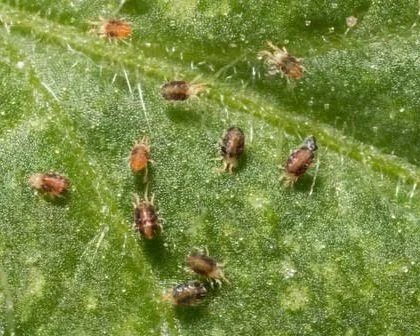
Spider mites are almost invisible to the naked eye, and they feed on plant cells.

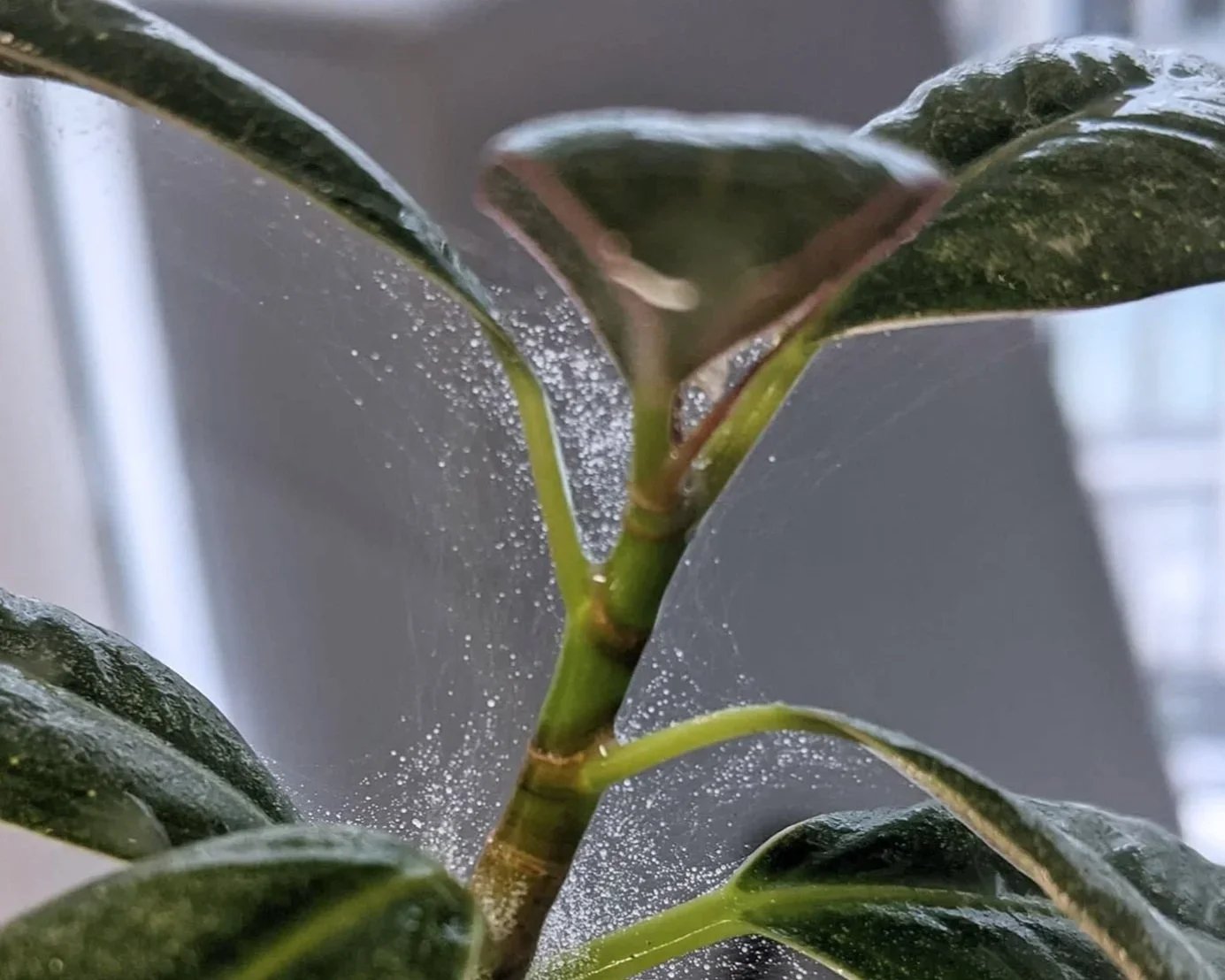
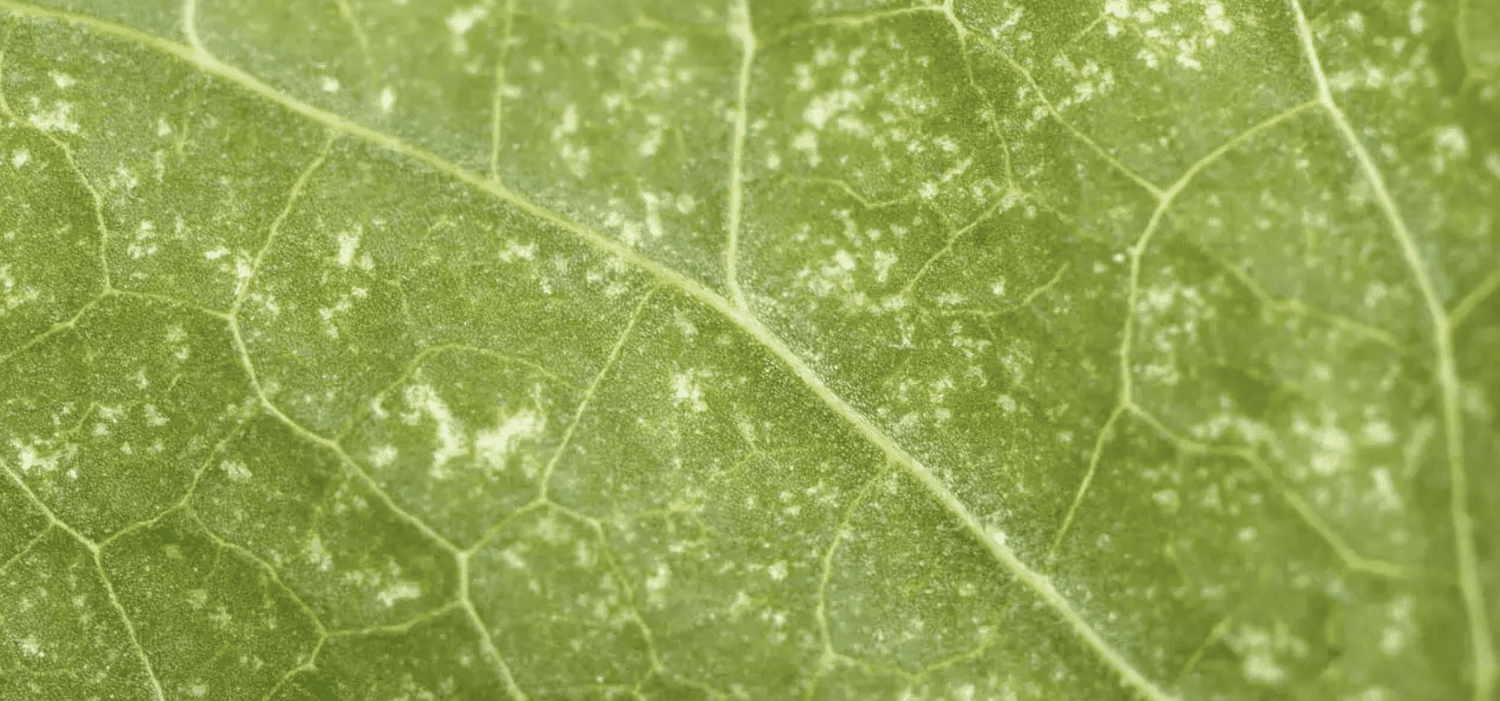
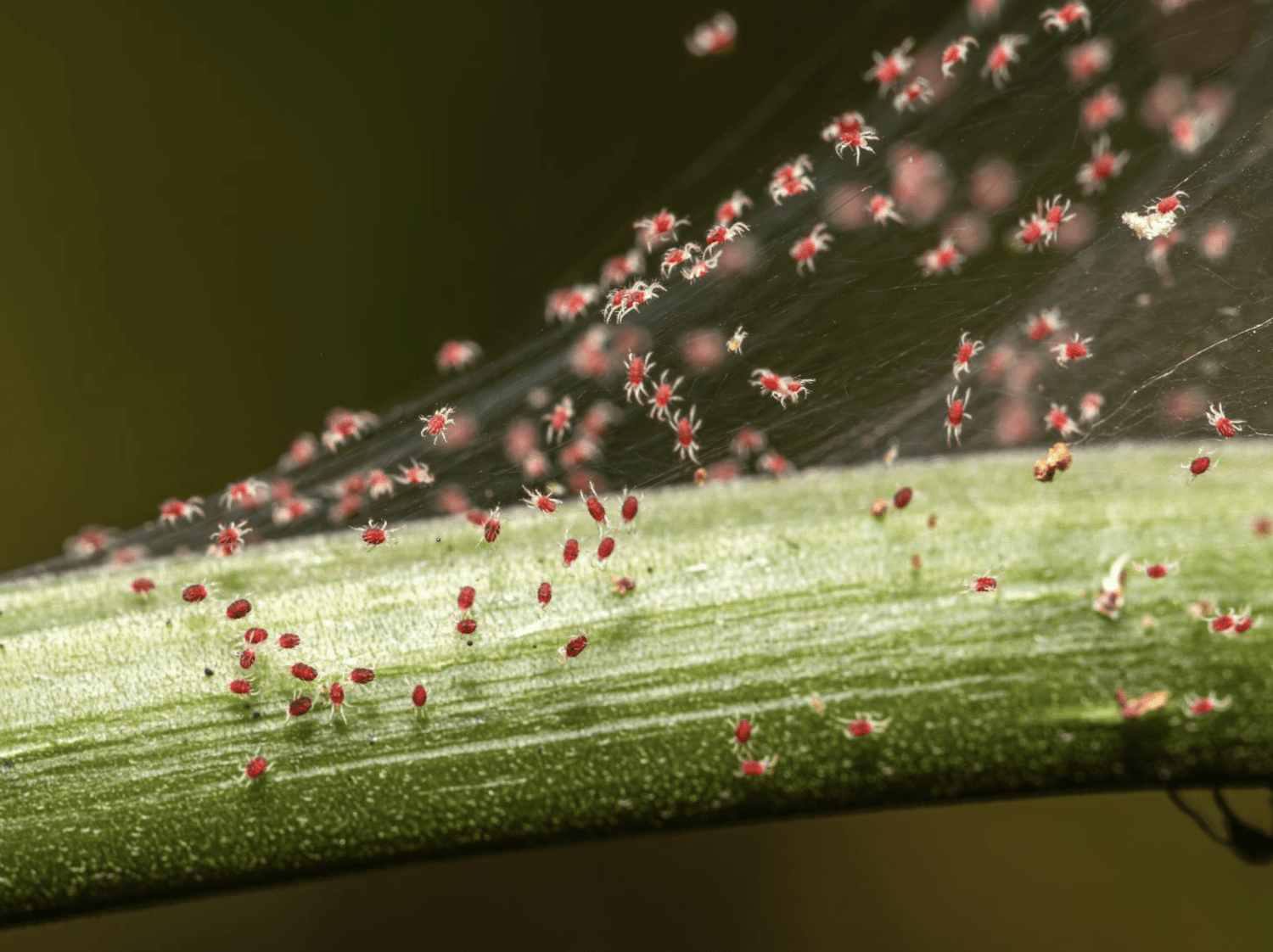
So if your house plant is suddenly developing yellow leaves (and you’ve ruled out other environmental stressors) and/or new growth is coming out distorted– spider mites may be the culprit. Spider mites often appear on the back of leaves and produce a very fine webbing on leaves and stem joints.

The Cause

Spider mites thrive in warm, dry conditions, much like that plant sunning near your window– making it the perfect habitat for these unwelcome guests. Overcrowding and poor ventilation can also create an appealing spider mite hangout. Like most parasitic relationships, spider mites are more likely to find their home on a plant that’s struggling a bit already.

The Damage

Because spider mites feed on plant cells, they'll cause leaf damage and can decrease a plant's overall health and ability to photosynthesize. They can also serve as vectors for various plant viruses. What’s worse? They reproduce at a rapid rate and can infect nearby plants or even hitch a ride on your clothes and spread.

The Cure

Keep in mind that everyone has their own methods for treating pests, so take what works for you and leaves what doesn’t. Here are a few methods we find effective.

When treating and handling a plant with spider mites, it’s important to isolate the plant and wash your hands thoroughly after touching it. Once you’ve quarantined the plant or plants with spider mites, assess the progression of the infestation.

For a mild affliction– you only see damage but no webbing– you can knock back the spider mites with pressurized water, but be wary not to overwater your plants. Keep those plants quarantined until you stop seeing spider mites, then move them to a well-ventilated spot and increase humidity.

For a more progressive infestation– you’re beginning to see webbing– begin by knocking spider mites back with water. You can use neem oil diluted with water or castile soap diluted with water to spray down the leaves and stems. Wash, rinse, and repeat every 3-5 days until the mites are no more!

If you’re experiencing an infestation, consider benefical insects, such as Neoseiulus californicus.

Prevention

The key to infestation prevention is to check up on your plants regularly– before they start showing signs of pest problems. It’s always much easier to rid your plants of pests if you can catch it early.

As we mentioned before, spider mites like dry conditions. For plants that tolerate or thrive in humidity, you can keep a humidifier close by.

You can isolate any new plants you bring into your home as an even further cautionary method. Plants from greenhouses or nurseries may bring pests with them, infecting your healthy plants at home!


As always, if you have any questions or need further help, reach out to us!

Happy planting!

Kelly

Previous
Previous

All About Thrips

Next
Next

The Philosophy of Interior Design and Plantscaping