
The idea of using natural materials and climate-responsive design to reduce energy consumption and minimize the environmental impact of man-made structures isn’t a new one by any means. Green and sustainable architecture has been in the zeitgeist for centuries– ancient and modern civilizations alike have long known the practical benefits of incorporating plants into built structures to provide climate control, shade, and well-being improvement. Architectural modalities are a response to cultural moments and are a direct reflection of the time of their advent. So it’s no surprise that now, as a response to the climate crisis, many long-standing architectural design styles have evolved to incorporate biophilic design, whether that be in a shallow gesture at environmentalism or truly sustainable architecture. The most interesting example of this, to me, is Eco-Brutalism.
What is Eco-Brutalism?
Written by Kelly Fletcher · May 8, 2026
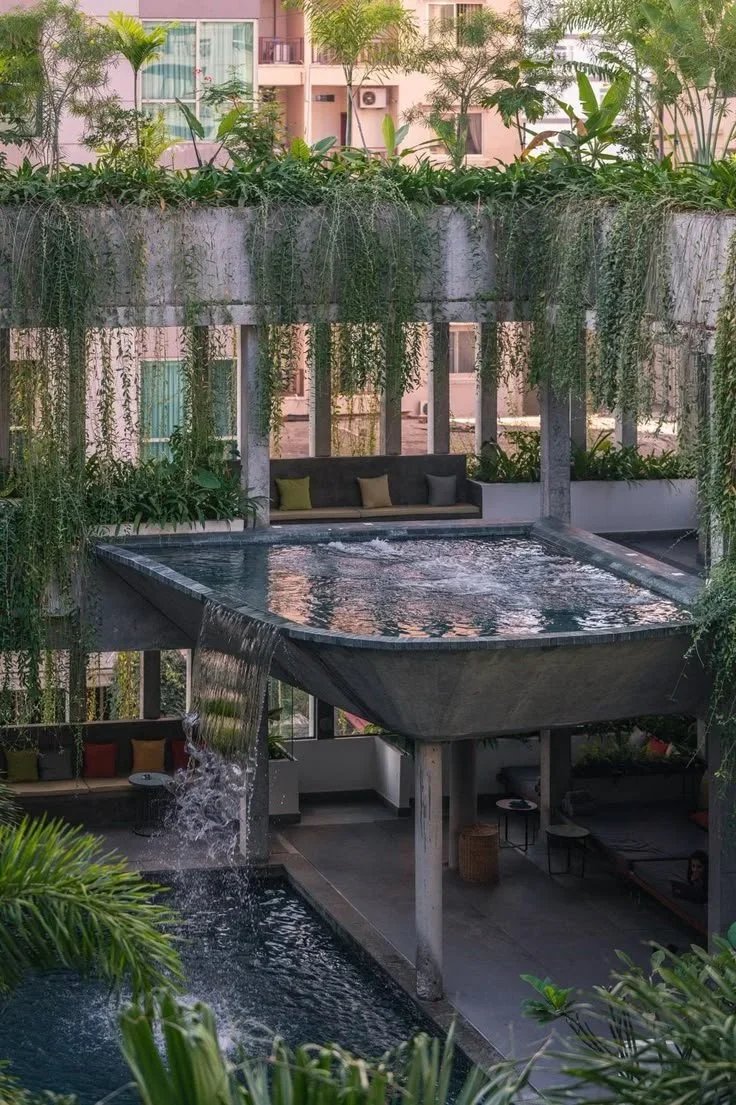
Eco-Brutalism: A Harmonious Dichotomy
The design style has risen in popularity on the internet in the past few years, revered for its stark juxtaposition and post-apocalyptic feel. There’s something striking about a structure that has no intention of feeling anything but man-made engulfed in vines, as though nature is reclaiming it.
Brutalism at its core is based on necessity and utilitarianism, function triumphs over opulent design. The post-war origin led to the desire for durable, no frills structures that embrace harsh lines, geometric shape, and concrete. Brutalism is divisive and regarded by some as cold and soulless, but Brutalism enjoyers welcome the rejection of ostentation.
Biophilic design at its core focuses on ecology, humans interacting with nature in built environments, and sustainability– both for mental wellbeing and practical energy conservation. The concept goes beyond peppering in the occasional plant and calling it a day, but encourages plant design to be at the forefront of a structure’s inception.
The two concepts, on a surface level, are the antithesis of one another, but Eco-Brutalism merges utilitarianism and ecology in a harmonious dichotomy. Greenery softens the bare concrete and metal work, creating a beautifully intriguing structure. When done effectively, it may help to offset the environmental impacts of a concrete structure and transform it into an oasis in which humans can thrive– at least, that’s the hope.
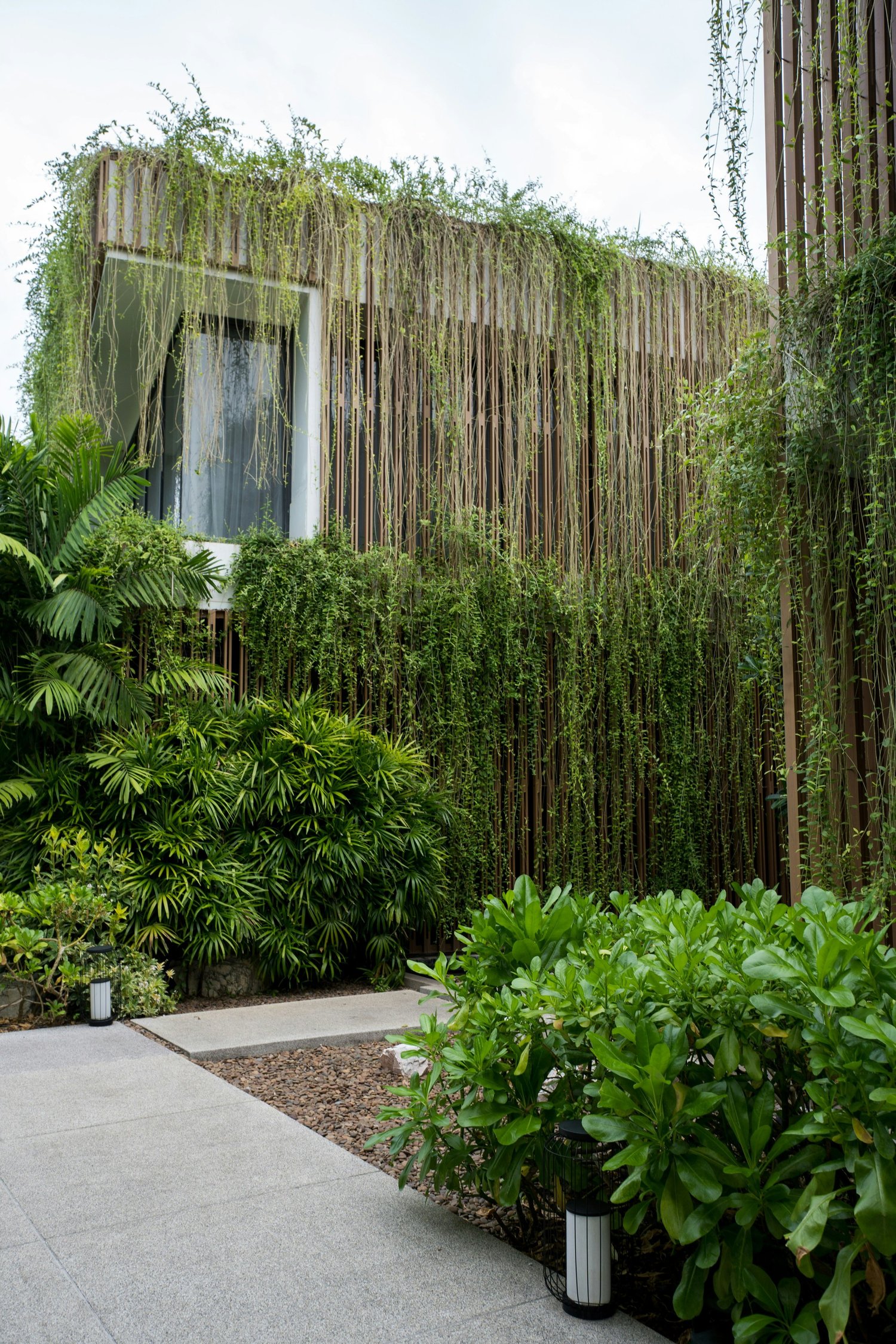
The Tension
Critics of this new design style have said it isn’t true sustainability in new builds. The concrete industry contributes to roughly 8% of global C02 emissions and production requires massive amounts of water. Arguments against Eco-Brutalism ponder if the addition of plants can really offset this environmental impact in a meaningful way– dubbing the concept a shallow attempt at sustainability.
But there are sustainably minded architects and engineers committed to minimizing carbon emissions in building material production through innovations such as C02 reducing admixtures and concrete alternatives. Eco-Brutalism is a means to construct long-lasting structures that can withstand natural disasters while leaning into renewable energy and commitments to sustainability. The hope is that this architectural style can be truly sustainable, as long as architects are mindful of the materials they’re choosing and incorporate renewable energy sources such as solar panels and plants.
Perhaps most notably in Eco-Brutalism, these ideas can also be incorporated into preexisting structures to help minimize their environmental impact as well as improve their aesthetic appeal.
Plants enveloping and surrounding built structures are not just a visual nod to environmentalism, they provide air purification, psychological benefits, and help absorb heat and insult cold leading to less energy poured into heating and cooling.
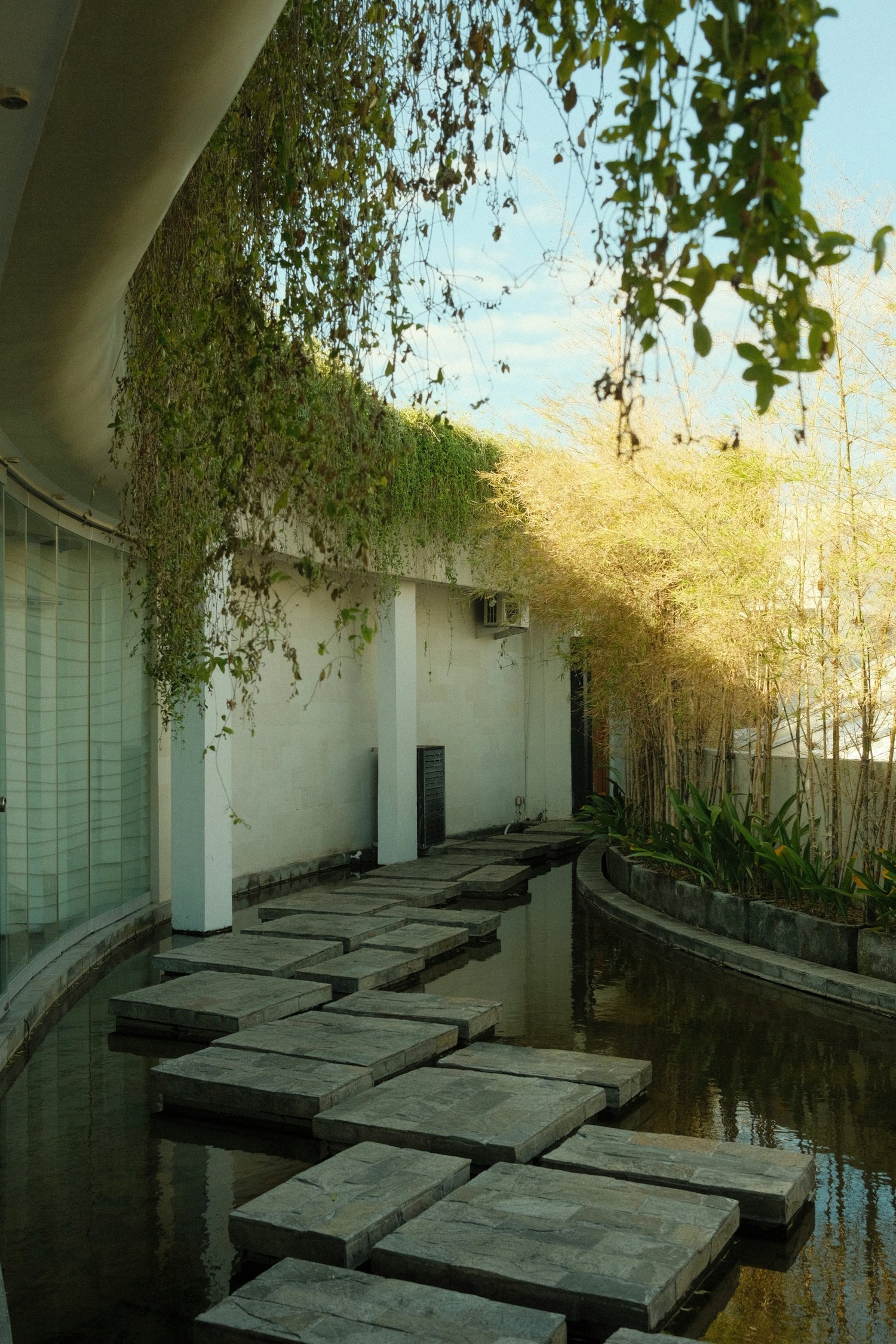
To Be Soft is Not to be Weak
Eco-Brutalism and biophilic design in architecture point to a greater social consciousness of our environmental reality. At my most optimistic, I see a conscious effort to ensure our planet is inhabitable for humans and life beyond us and a shift away from pop-up builds that bare no mind to longevity or anything other than profit. Whether you love or hate Brutalism, there’s no denying the feeling you get when looking at a structure so audaciously unnatural contrasted with sprawling greenery slowly reclaiming it– the feeling that we’re here to co-exist, not conquer. It is wise to know that caring about our ecological future is not frivolous, but necessary–like vines engulfing a concrete building, to be soft is not to be weak.
If you’re looking to incorporate greenery into your design projects, Plant Savvy offers a keen eye for biophilic design and we would love to work with you!
Until then, happy planting!
Kelly
Ready to bring plants into your space?